
About UNICEF USA
UNICEF USA is an independent, charitable organization that rallies the American public to support the most vulnerable children, wherever they live.
Our Vision
To ensure that every child is Healthy, Educated, Protected and Respected.
Our Mission
To relentlessly pursue a more equitable world for every child.
We Value
-
Children — and Their Rights
Children are at the center of all we do. We partner with them to uphold their rights, elevate their voices and build the world we share and the one they will inherit.
-
Big Thinking, Bold Action
The world’s problems require bold solutions. We are creative and curious, smart and strategic, disciplined and driven to deliver real change for children.
-
The Power of We
Changing the world takes all of us. We build strong teams and partnerships by valuing all perspectives, listening, learning and caring for one another.
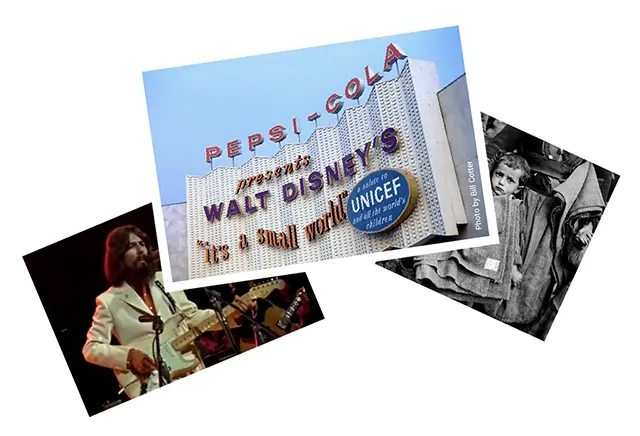
UNICEF does not endorse any brand, company, product or service.

© UNICEF/UNI41889

© UNICEF
© UNICEF

© UNICEF/UNI98140
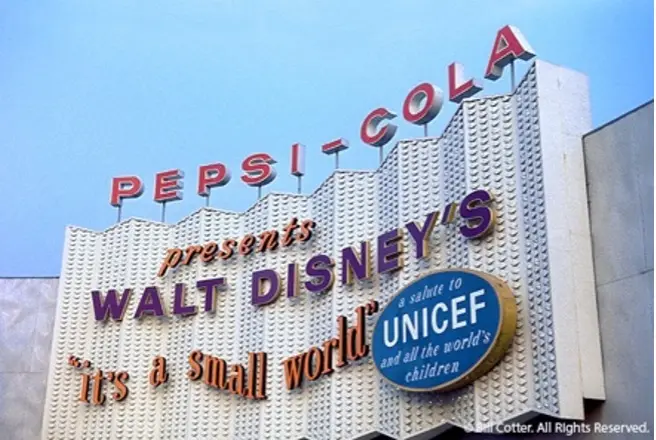
With permission from © Bill Cotter


© UNICEF

©UNICEF/UNI832232/Grant
© UNICEF
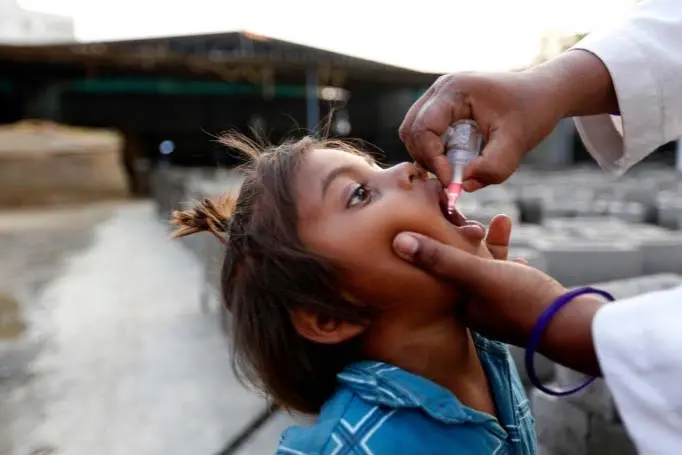
© UNICEF/UNI524676/
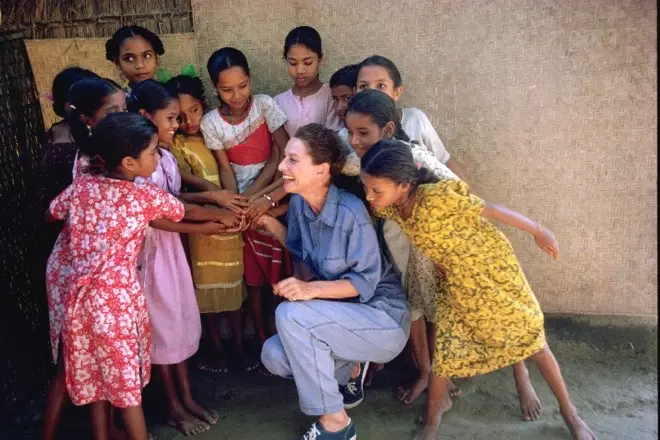
© UNICEF/UNI40127/Isaac
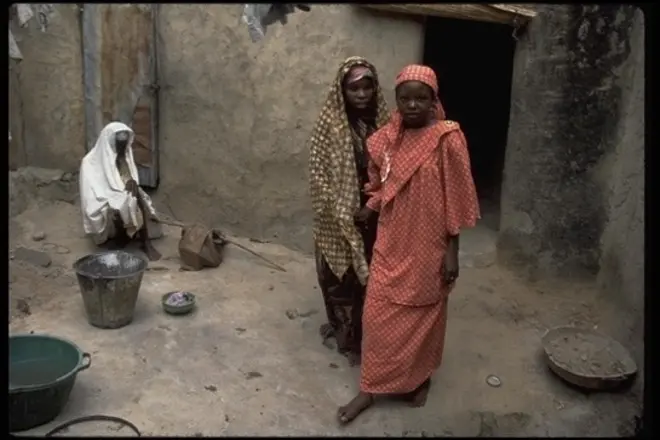
© UNICEF/UNI33645/Pirozzi
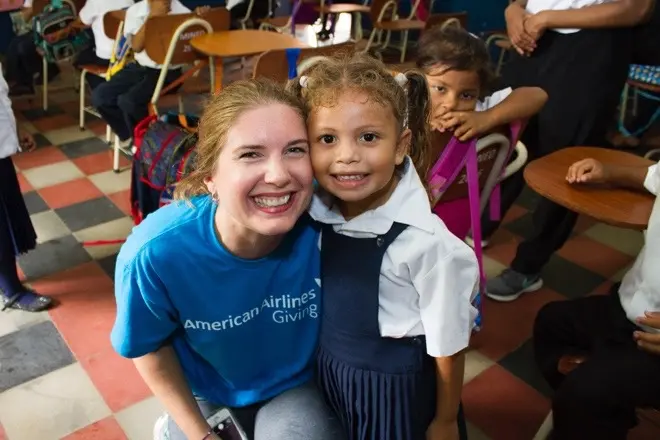
© UNICEF
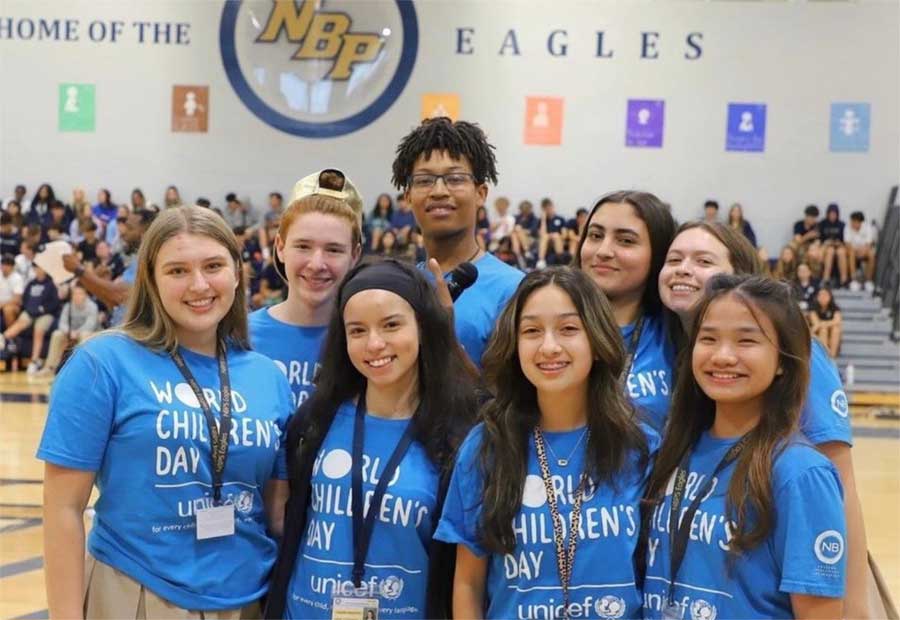
© UNICEF
© UNICEF
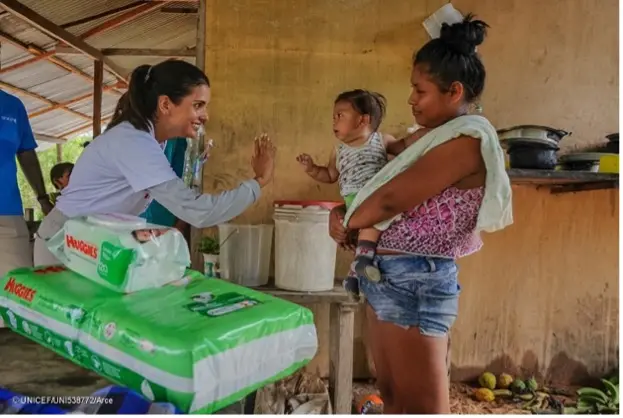
© UNICEF/UNI40127/Isaac
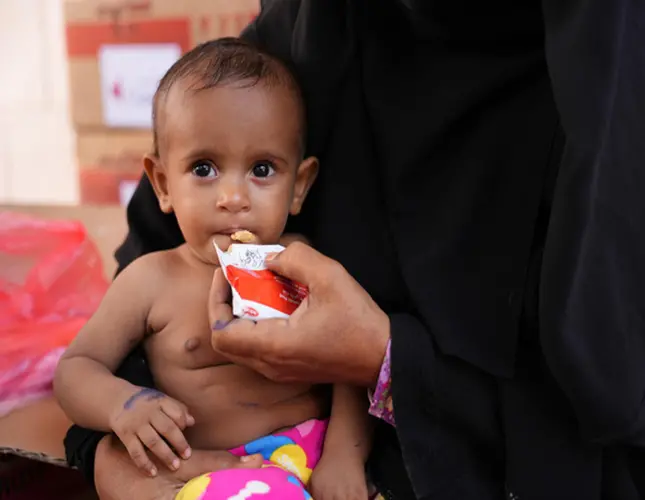
© UNICEF/UNI40127/Isaac

© UNICEF/UNI304287/Rudakubana
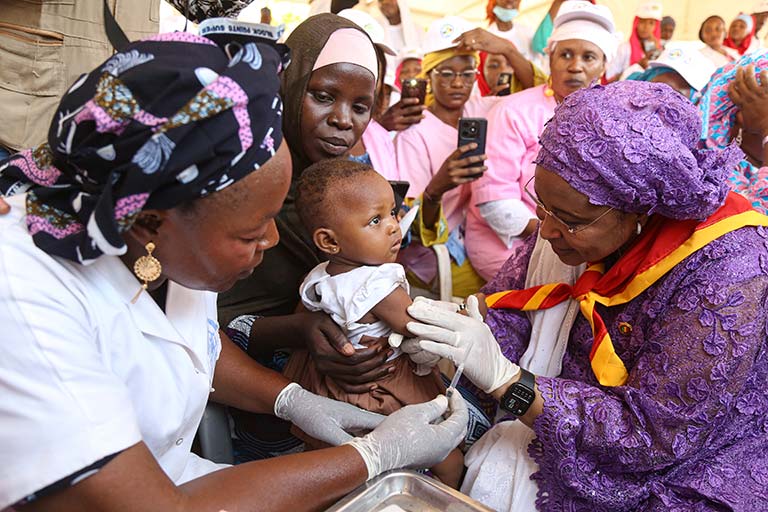
© UNICEF/UNI787548/Keïta Mali 2024
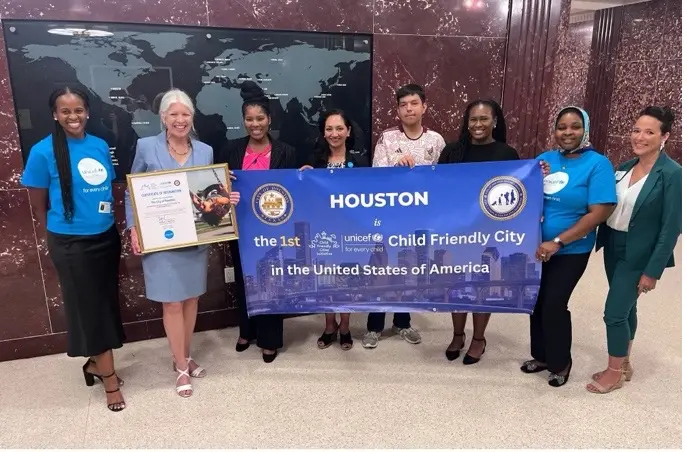
© UNICEF USA
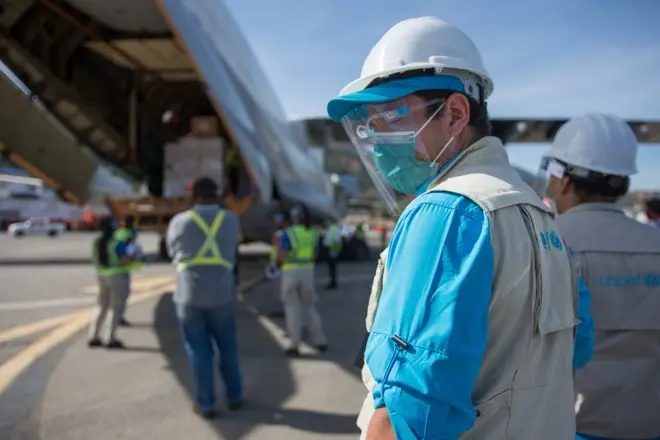
© UNICEF

© UNICEF/UNI476984/Dejongh
UNICEF USA Through the Years
UNICEF does not endorse any brand, company, product or service.
© UNICEF/UNI41889
© UNICEF
© UNICEF
© UNICEF/UNI98140
With permission from © Bill Cotter
© UNICEF
©UNICEF/UNI832232/Grant
© UNICEF
© UNICEF/UNI524676/
© UNICEF/UNI40127/Isaac
© UNICEF/UNI33645/Pirozzi
© UNICEF
© UNICEF
© UNICEF/UNI40127/Isaac
© UNICEF/UNI40127/Isaac
© UNICEF/UNI304287/Rudakubana
© UNICEF/UNI787548/Keïta Mali 2024
© UNICEF USA
© UNICEF
© UNICEF/UNI476984/Dejongh
Delivering lasting impact for children
For eight decades, UNICEF USA has partnered with American corporations, faith-based and civil society organizations, individuals, philanthropic foundations, and government agencies to deliver critical nutrition, health, education and lifesaving humanitarian aid for children.
Americans invested in children’s futures
UNICEF USA works alongside the American people and U.S. government to invest in programs that make life better for children. In 2023, UNICEF USA raised more than $850 million in contributions from hundreds of thousands of individual and corporate donors from across America in addition to the U.S. government’s voluntary contribution to UNICEF. Domestic and international research has found a $1 investment in children and their wellbeing yields a tenfold return to society.
UNICEF USA supports UNICEF’s status as the world’s leading voice for children. We advocate for policies that improve outcomes for children globally while making America safer, stronger and more prosperous. In fact, in 2024 alone, UNICEF procured $770 million of therapeutic food, medicine and other critical supplies and services from U.S. companies across 37 states.
Mobilizing private sector partners and capital markets
UNICEF USA is profoundly grateful to have many steadfast U.S.-based partners who invest and innovate with us to serve vulnerable children. In life-threatening emergencies, private sector contributions enable UNICEF to respond rapidly. Over the long term, our partners’ involvement reinforces the connection between our humanitarian and development work. Private partnerships supply immense resources to address systemic inequities, stimulate national capacity-building, implement and scale up data-driven solutions and access digital and technological advances.
In return, UNICEF USA aims to support our partners’ business goals by creating new pathways and opportunities for collaboration. One example of this approach is UNICEF USA’s Impact Fund for Children (IF4C). The IF4C develops and implements financial solutions for social impact investors seeking to make a difference in children’s survival and development. The IF4C complements other philanthropic efforts by leveraging new financial structures or existing structures in novel ways to put additional capital to work for children.
Advocacy
UNICEF USA’s Advocacy team, based in Washington, D.C., speaks on behalf of children from a nonpartisan position – urging decision-makers in government and other sectors to implement policies and budgets that support and empower children.
UNICEF USA also maintains a state and local advocacy team to influence and advocate for child-respecting government policies in civil society. We operate from an integrated global-to-local domestic strategy – informed by data, local decision-makers and the voices of young Americans and future leaders – to prioritize opportunities in which UNICEF USA can make the most impact for children.
Visit the UNICEF USA Action Center to join current advocacy campaigns. Together, we can remind Congress that building a safer and more prosperous future for children is critical here at home and around the world.
Trick-or-Treat for UNICEF – An American tradition
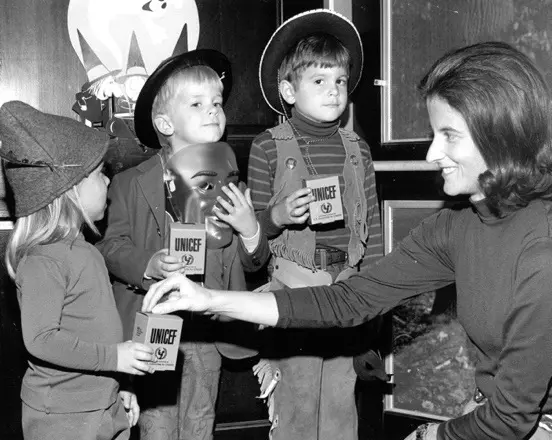
The Trick-or-Treat for UNICEF campaign has inspired generations of children to participate in an iconic event that has strengthened American communities for 75 years and raised nearly $200 million to date.
Campaign donations become flexible funding that allows UNICEF to respond swiftly to the greatest need. Ninety percent goes directly to programs that provide essentials like education, safe water and routine vaccinations against deadly but preventable diseases.
Child-centered U.S. business practices
UNICEF USA provides research-backed guidance and tools for U.S. companies seeking to understand child rights regulations and standards. One area of focus is the prevention and mitigation of hazardous child labor in the U.S. supply chain.
Child labor is a cause and consequence of broader child rights violations – and a growing problem in our country. UNICEF USA is uniquely positioned to call attention to the practice through our connections with U.S. businesses, investors, policymakers and media.
Tackling child labor violations aligns with the child-lens investing (CLI) strategy which asserts that all investment impacts children, directly or indirectly. In 2023, UNICEF and UNICEF USA’s Impact Fund for Children launched a Child-lens Investing Framework to help investors evaluate intentional and unintentional consequences of their choices for children.
Read our report, “Invisible Hands: Child-Centered Solutions to Address Child Labor in the U.S.”.
UNICEF USA’s Community Alliance for Child Rights
UNICEF USA’s Community Alliance for Child Rights works to improve children’s wellbeing here in the U.S. as part of our mission to build a more equitable future for young people worldwide.
UNICEF USA believes children should have a voice and role in shaping the future for themselves and their communities. Alliance participants include adult allies, civil society, local, state and federal governments and private sector partners committed to protecting children’s rights.
History of U.S. support for UNICEF
The U.S. has been integral to UNICEF’s growth and global impact, including the creation of UNICEF USA, the first of 33 National Committees, each established as an independent local non-governmental organization. UNICEF USA support is helping UNICEF develop smarter, more cost-effective solutions, scale up proven, data-driven programs, and harness new technologies, like AI, to create measurable change for children.
UNICEF USA uses donations responsibly and efficiently
Of every dollar UNICEF USA receives, 84 cents goes toward helping children. The other 16 cents covers fundraising efforts and operational support needed to deliver impact.
UNICEF USA is consistently the top National Committee directing funding toward UNICEF’s work for children. A detailed breakdown can be found in the annual report.
UNICEF USA has received top ratings from multiple independent monitors, reflecting our commitment to transparency and accountability around our financials and impact. These include:
- GuideStar's Platinum Seal of Transparency (highest rating)
- Four-Star rating from Charity Navigator (highest rating)
- CharityWatch's list of Top-Rated Charities
- GlobalGiving Superstar